Alan Karp · Owner, Ace Tours Inc
· Updated · 5 min read
The best field trip ideas in Miami fall into four groups: science and history museums such as Frost Science and the Museum of Miami, zoos and gardens such as Zoo Miami and Fairchild Tropical Botanic Garden, nature centers on the coast, and the Everglades, from the national park to the Broward airboat parks. Pick the place that fits the lesson, book the visit with the venue, then book the bus. Every place below was checked on its own official website for this guide; hours, prices and group rules change, so check the venue before you plan.
Start with the lesson, then pick the place
Fit the trip to the unit, then check the venue.
A field trip earns its day out of the classroom when it ties back to what the class is learning. A unit on ecosystems points to a nature center or the Everglades. A unit on Florida history points to a history museum or a historic estate. Physics, space and the ocean point to a science museum.
Before you settle on a place, check four things on the venue's own site: whether it runs school programs or guided visits for your grade, how far ahead group visits must be booked, what the group rules are for chaperones and lunch, and whether there is a covered place for the class to wait for the bus.
- School programsGuided visits for your grade
- Booking lead timeHow far ahead groups must book
- Group rulesChaperones and lunch
- A covered waitFor the bus in summer rain
Science and history museums
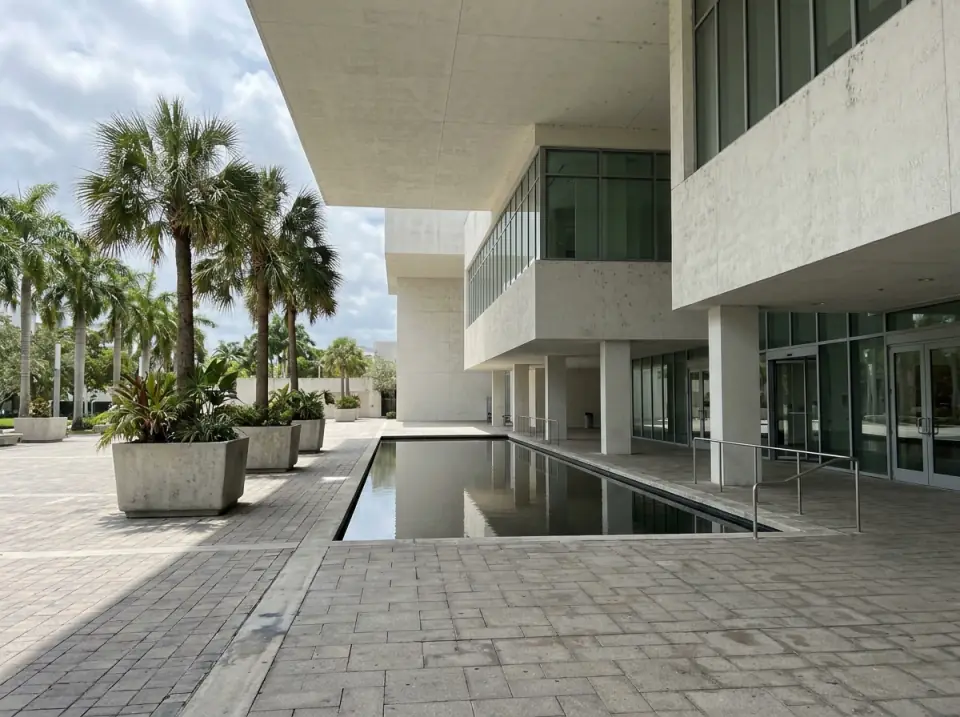 Ocean, space and Florida history within one county.
The Phillip and Patricia Frost Museum of Science, known as Frost Science, sits on Biscayne Boulevard in downtown Miami. It combines a science museum with an aquarium and the Frost Planetarium, so one visit can cover ocean life, space and hands-on science.
The Museum of Miami, the civic history museum formerly called HistoryMiami Museum, lists youth field trips and an education center on its website, along with a history program aimed at 4th and 5th grade. It suits Florida history units.
Read more
In Fort Lauderdale, the Museum of Discovery and Science on SW Second Street pairs exhibits with a large-format theater, and it is an easy ride for Broward schools.
Two historic estates on Biscayne Bay round out the list. Vizcaya Museum and Gardens in Miami is a house museum with formal gardens. The Deering Estate in Palmetto Bay is a house museum and nature preserve managed by Miami-Dade County Parks, with guided museum tours listed on its site.
Zoos and gardens
Living science, with plenty of walking.
Zoo Miami, in the south of Miami-Dade County, covers almost 750 acres with about 4 miles of walkways, according to its website. It offers learning programs for classrooms and camps. Plan for a lot of walking and a hot afternoon, and decide in advance where the class will eat.
Fairchild Tropical Botanic Garden in Miami suits plant science, ecology and art classes, with tropical collections spread across the grounds. Flamingo Gardens in Davie, west of Fort Lauderdale, calls itself an Everglades learning center and lists field trips on its website; Ace also runs Flamingo Gardens Tours for groups.
- ZooZoo MiamiSouth Miami-Dade, programs for classes
- GardenFairchild GardenFairchild Tropical Botanic Garden
- DavieFlamingo GardensField trips listed on its site
Nature centers and the coast
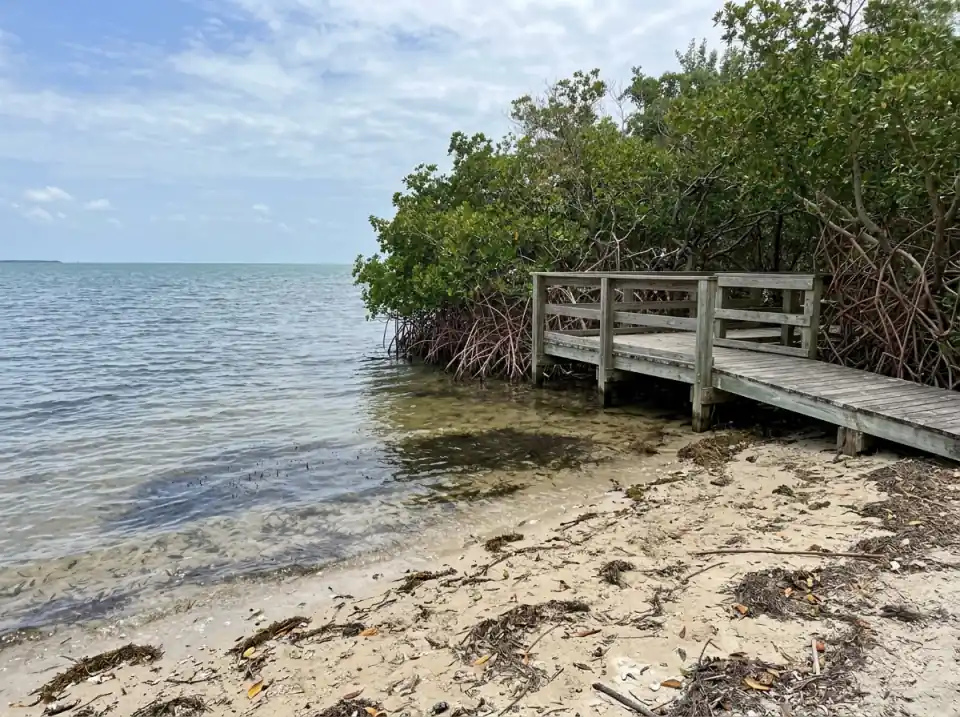 Seagrass, mangroves and the bay, close to downtown.
The Marjory Stoneman Douglas Biscayne Nature Center sits in Crandon Park on Key Biscayne. It is a not-for-profit center for environmental education, with trails, seagrass programs and an art gallery, and it suits marine science and coastal ecology lessons.
Biscayne National Park protects the bay, the islands and the coral reef south of Miami. The National Park Service notes that the park is 95 percent water, so most of what a class sees is from the shore or a boat. Check the park's site for the education programs it runs before you plan a visit.
Read more
On the coast, plan for South Florida weather: sun, wind and afternoon storms. Bring water, hats and a dry bag for phones, and keep a change of shoes on the bus for anyone who gets wet.
The Everglades: a ranger program or an airboat
Study the river of grass with the people who work in it.
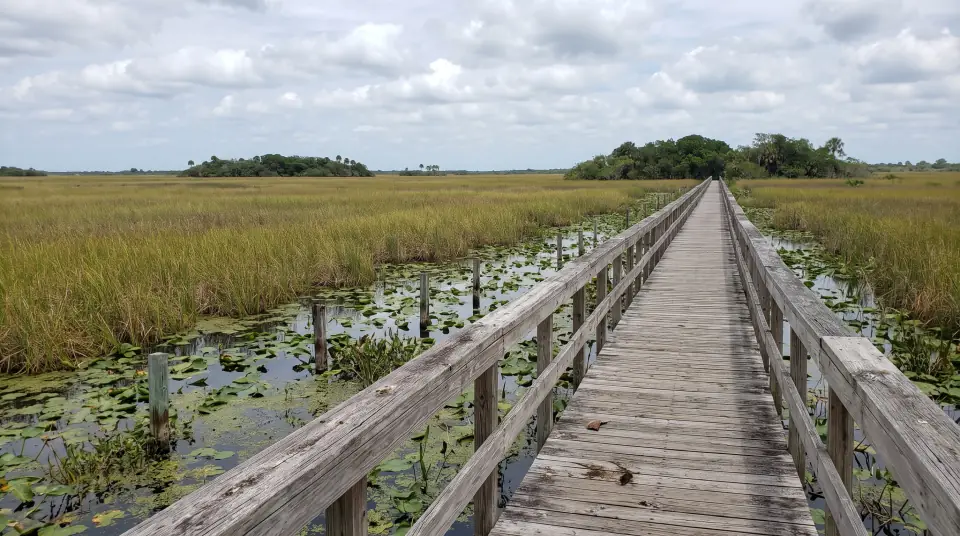
Everglades National Park protects 1.5 million acres of wetland, forest and marine habitat, according to the National Park Service. The park offers curriculum-based programs led by rangers, including day programs, so a class can study the river of grass with people who work in it.
For a shorter ride from Broward, two airboat parks in western Broward County take groups. Everglades Holiday Park lists school field trips among its group bookings, and Sawgrass Recreation Park in Weston lists group adventures. Both run their own rides and set their own group rules.
- 1.5M acresEverglades National ParkRanger-led, curriculum-based programs
- AirboatEverglades Holiday ParkSchool field trips listed
- WestonSawgrass Recreation ParkGroup adventures listed
Read more
Everglades days are hot and open, with little shade. Summer is the wet season, when storms build quickly in the afternoon, so morning visits are the common choice.
A short checklist before the trip
Settle the details a week ahead.
Most field trip problems come from small details left to the morning of the trip. Settle these a week ahead and the day runs itself.
- Confirm in writingVisit, program and arrival time
- Bus drop-off and pickupAnd where the class waits
- Plan lunchPacked, bought or on the way back
- Slips and medical notesIn hand before the final count
- Chaperone listsEach adult knows their group
- One teacher's cellShared with the venue and dispatch
Getting the class there
Book the venue first, then the bus.
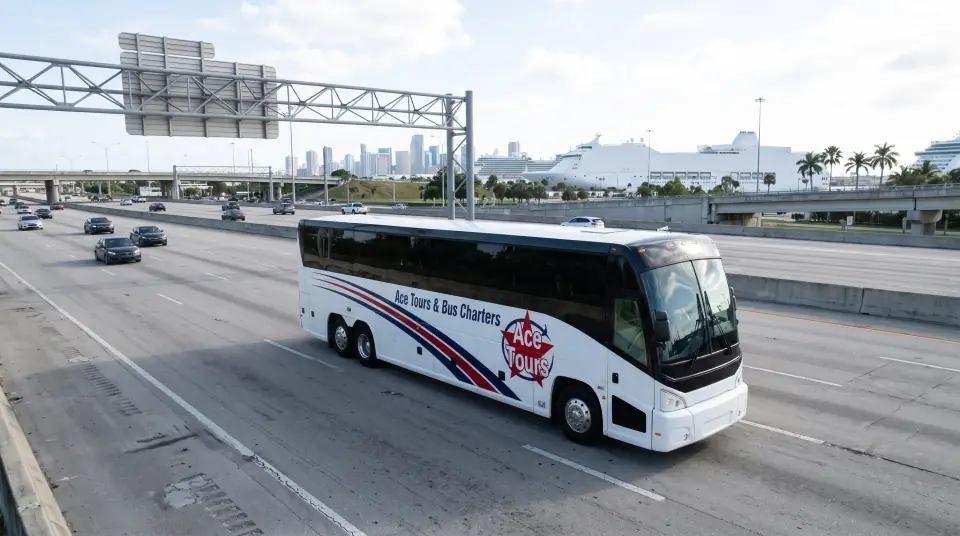
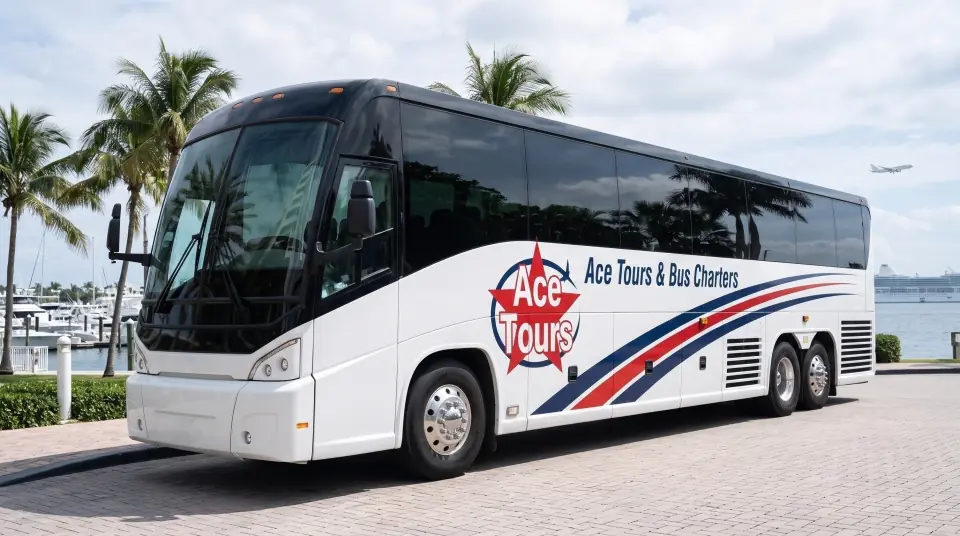
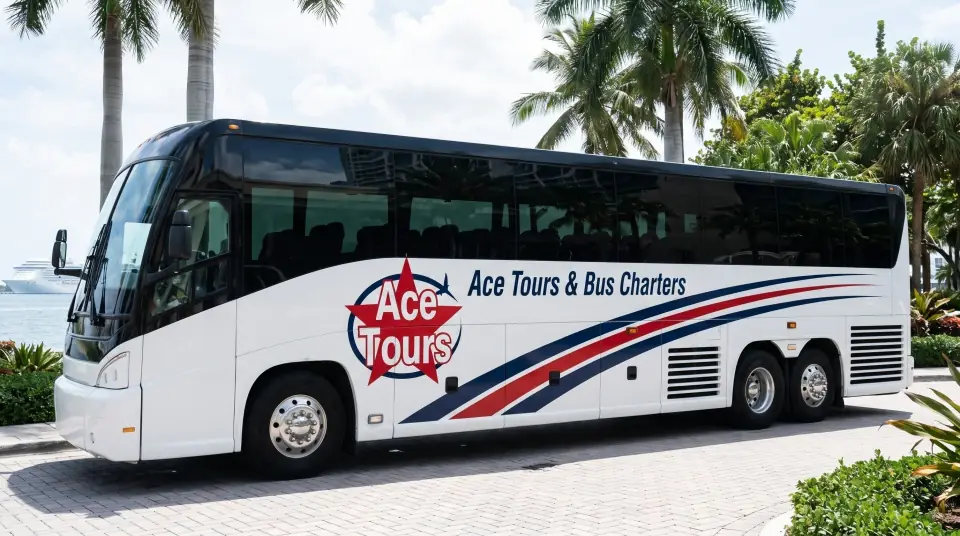
Once the venue is booked, book the bus. A charter coach keeps the class together from the school loop to the venue door and back, with one driver and one plan. For a single class, a minibus for 15 to 20 may be enough; a full grade usually needs a 56-seat motorcoach or more than one.
Ace Tours Inc is an approved vendor with the Broward, Miami-Dade and Palm Beach County school districts. Listings reflect each agency's requirements and are not endorsements. Every Ace vehicle has GPS tracking, Wi-Fi and onboard cameras, and certificates of insurance are available for the school on request. School Field Trips explains how a field trip charter is quoted and run.
- Book the venueDate, program and arrival time.
- Book the busSend the date, times and head count.
- Collect the paperworkPermission slips and certificates.
- Count at every doorLeaving school, at the venue and on return.
Read more
Ace is not affiliated with any museum, park, zoo, garden or attraction named in this guide. Tickets and admission are arranged with the venue.